Commercial Water Restoration in Tanglewood, IN
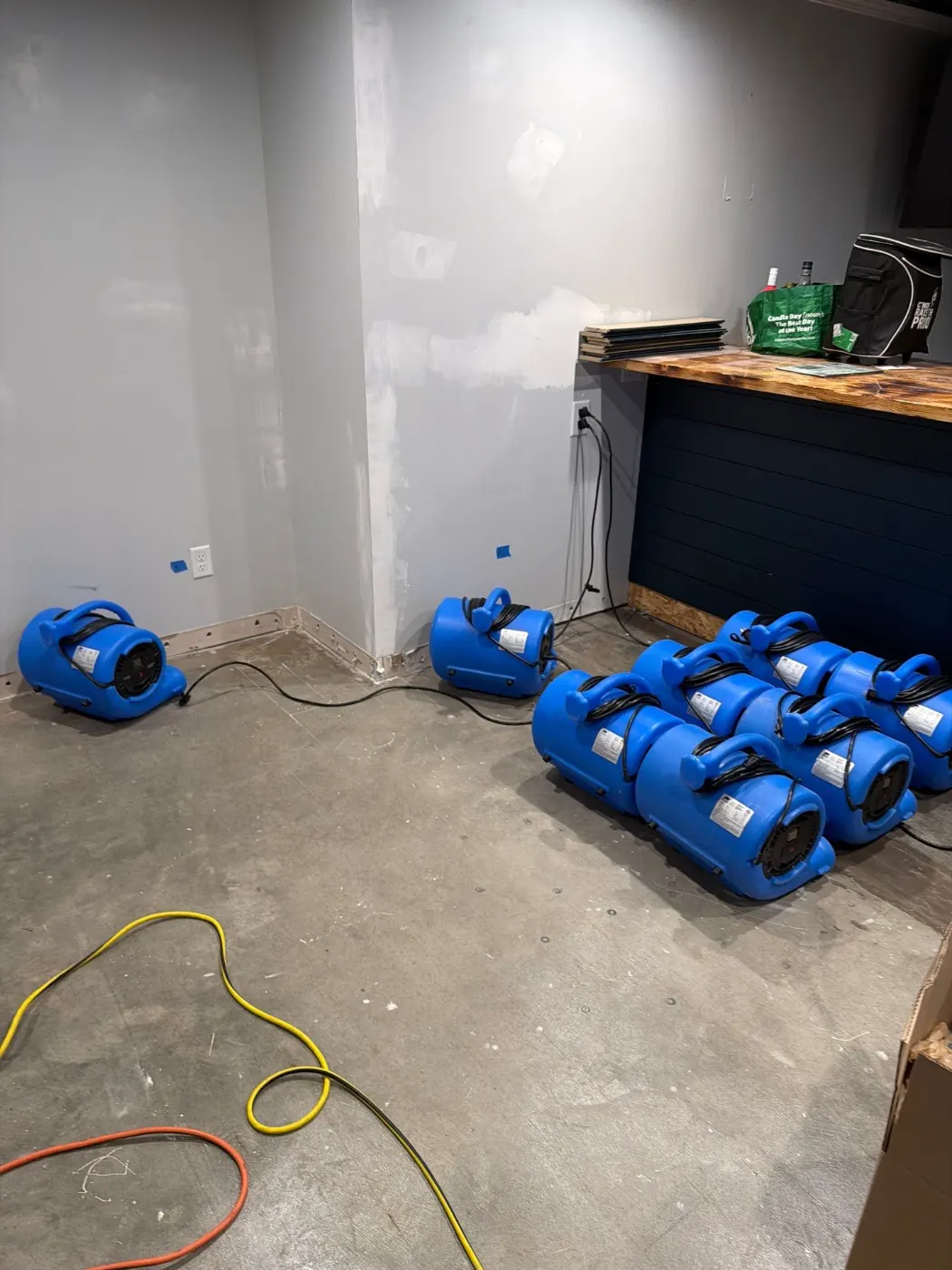
Concrete, gypcrete and glue down flooring dried and verified before new finishes go down in Tanglewood.
Need Commercial Water Restoration in Tanglewood? Tanglewood Water Restoration answers 24/7 with certified crews, fast on-site response, and documentation built for your insurance claim. Call (463) 223-3831 now.
- Service: Commercial Water Restoration for Tanglewood homeowners
- Service area: Tanglewood, IN and surrounding areas
- Response time: Emergency water calls in Tanglewood get crews rolling, not callbacks
- Licensed and insured (License #RC21100059)
- Serving Tanglewood, IN since 2018
Commercial Water Damage Restoration in Tanglewood
We handle commercial water damage restoration throughout Tanglewood, and we'll stay on it from the first walkthrough to the final moisture readings.
Site Conditions
Properties near Fall Creek carry added flood risk in heavy rain. Freeze and thaw cycles each winter can burst pipes in unheated parts of a commercial building. Your building's own drains and roof get checked on the first walkthrough with whoever manages the property.
We cover commercial properties across Tanglewood, including the area around Fall Creek Parkway and 65th Street. We also handle commercial water losses in Castleton and Nora.
Commercial Water Restoration for Tanglewood Businesses
Tenants are already asking when their suites come back, and you need a schedule you can stand behind. That gets easier with a crew that documents everything by suite from the first walkthrough. Tanglewood Water Restoration works commercial water losses across Tanglewood and Hamilton County with a crew dispatched within 2 hours, scope broken out by unit, and a file you can hand to ownership, to the carrier, or to a tenant who asks.
Tanglewood Water Restoration writes commercial scopes line by line, with the readings and photos behind each item, so you can compare bids apples to apples. If another vendor's scope for your Tanglewood building shows more tear out or more equipment days, ask for the readings that support it. Every line on a scope from Tanglewood Water Restoration points back to a measurement or a photo.
Contents and records get triaged alongside the structure. Paper, media and inventory come off wet floors first, get inventoried and photographed, and go to dry storage or out to a specialty vendor when the material needs freeze drying. Furniture gets blocked up off damp flooring. Tanglewood Water Restoration crews keep the inventory list in the same file as the moisture log, so you get one package.
Timing matters on a commercial loss, so the file records it. When the water was discovered, when the source was isolated, when a crew arrived, when extraction started and when equipment went in all get logged with timestamps. Tanglewood Water Restoration dispatches within 2 hours partly so the gap between discovery and mitigation stays short and documented.
Tanglewood Water Restoration works commercial water losses across Tanglewood and Hamilton County with crews that coordinate with building engineering from the first walkthrough. Call to get the first visit started, with documentation broken out by suite that you can take to ownership and to your carrier.
Signs You Need Commercial Water Restoration
If you notice any of these in your Tanglewood building, schedule a free inspection before the issue worsens.
An interior roof drain leader gurgling or backing up during heavy rain
Residents reporting a brown stain spreading across the corridor ceiling outside their unit
Water heater tank leaking onto a utility room floor and running under the door
Fire sprinkler discharge with water still spreading out across the floor plate
Rust staining at the base of steel studs, shelving uprights or racking posts
Pallets or cardboard cases showing a wick line a few inches up from the slab
Ceiling tiles on the break room floor Monday morning with wet carpet tile beneath them
Drips from a ceiling mounted fan coil unit or a variable air volume box
Brown stains forming on ceiling tiles beneath a roof drain location after a storm
Recessed lights flickering or a breaker tripping in a room with a stained ceiling
How Tanglewood Water Restoration Handles Commercial Water Restoration
We follow these steps in order on every Tanglewood job.
Power and Panel Check
Before equipment goes in, your electrician deenergizes circuits that serve wet areas, and the crew checks outlets and floor boxes for moisture. Drying equipment then runs on protected circuits with the load spread across panels.
Contents and Furniture Protection
Furniture and fixtures get labeled by room and photographed in place, then blocked up or moved to dry staging in the order the zones open. The inventory travels with the job file alongside the readings.
Extraction at Scale
Submersible pumps take standing water, truck mounted units pull saturation from commercial carpet and glue down assemblies, and weighted heads work the backing. Crews move in sections on large floor plates so water doesn't get pushed into dry space.
Tenant Notices and Updates
Plain language notices go out to the tenants in your Tanglewood building saying which areas are affected and when crews will be in the space. Updates follow as the readings change, with a contact name for questions.
Claim Documentation Package
Photographs by area, daily moisture logs, equipment placement and hour records, category justification, and scope itemized by suite all go into one file. You and your broker submit it and make coverage decisions with your carrier.
Commercial Water Restoration in Tanglewood
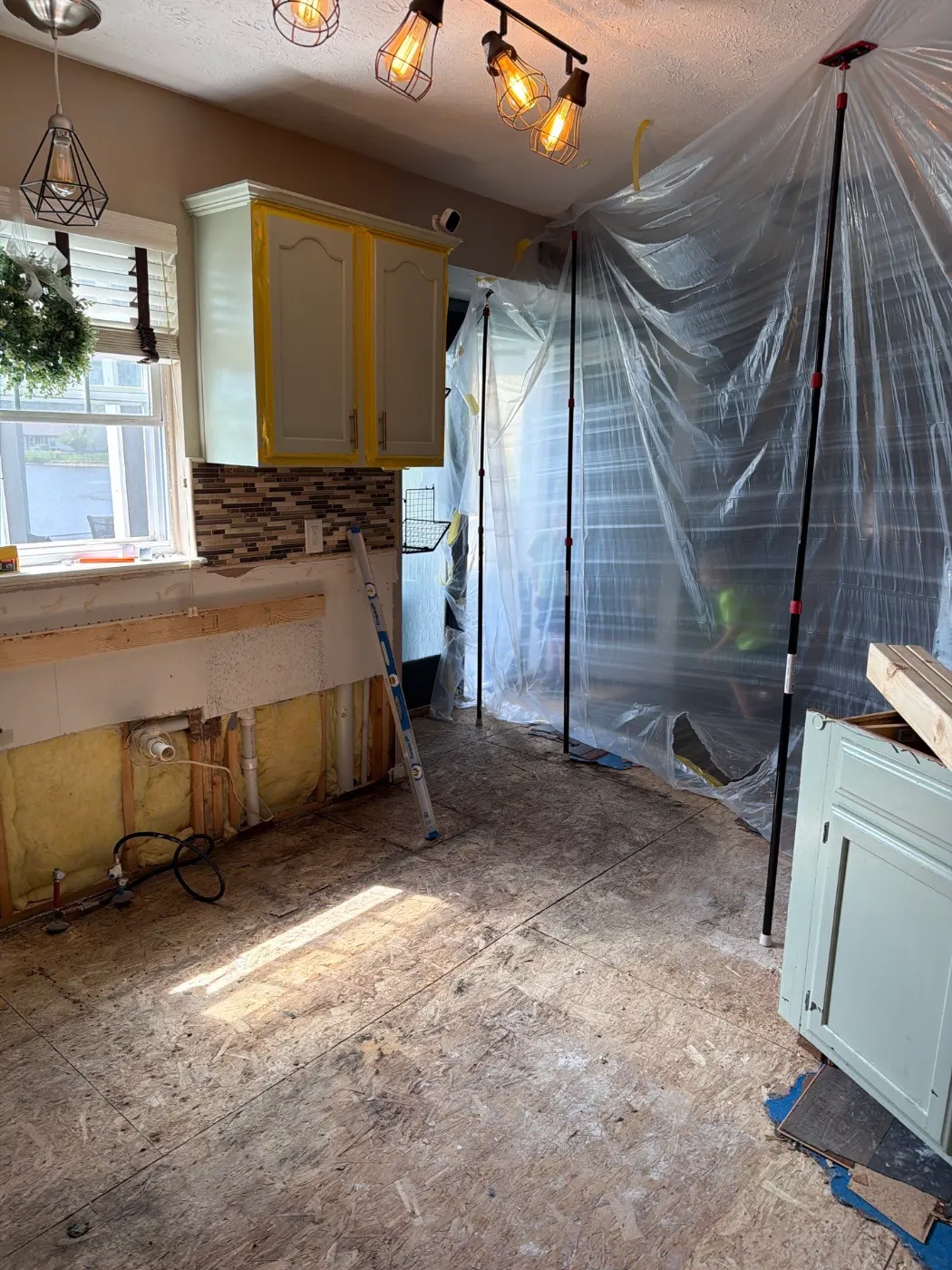
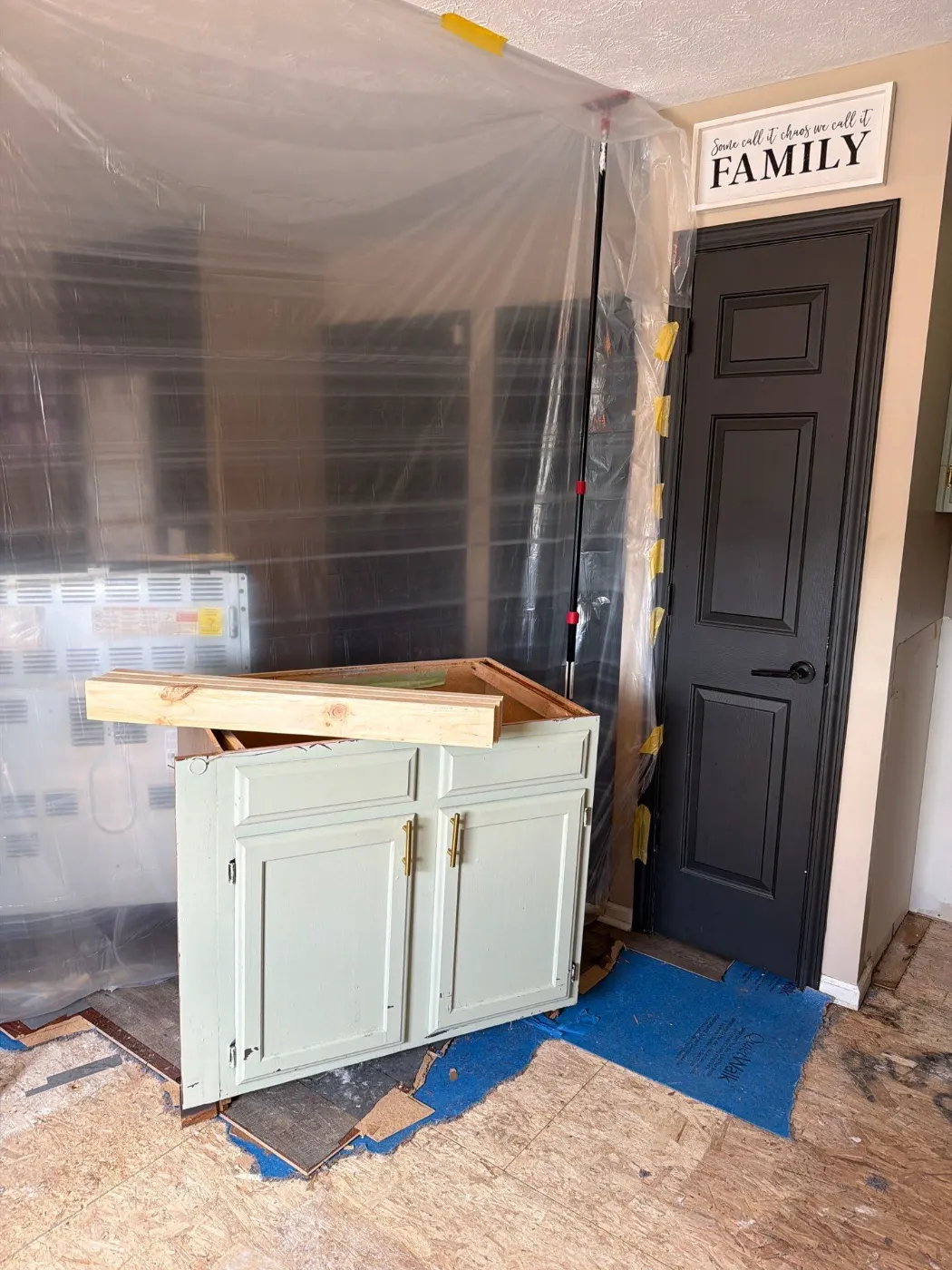
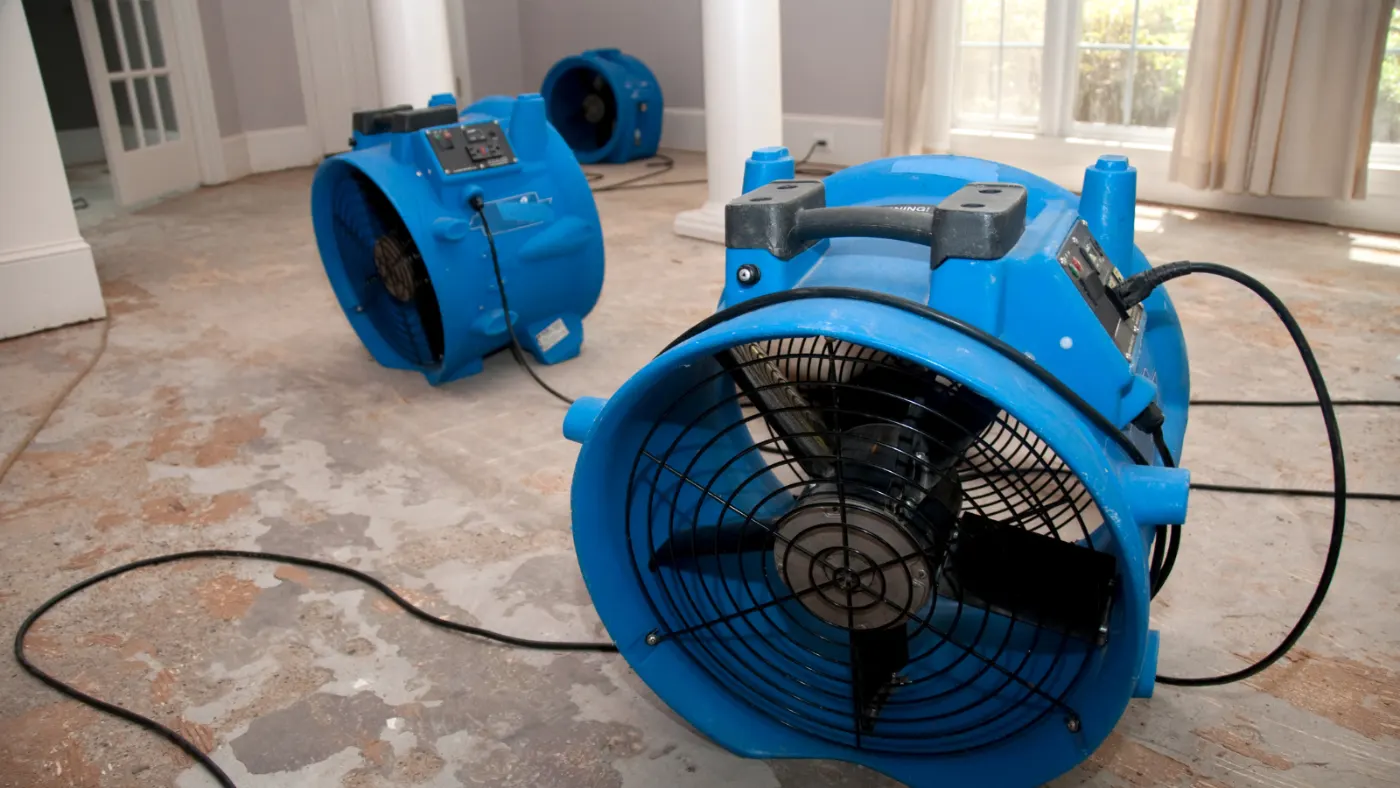
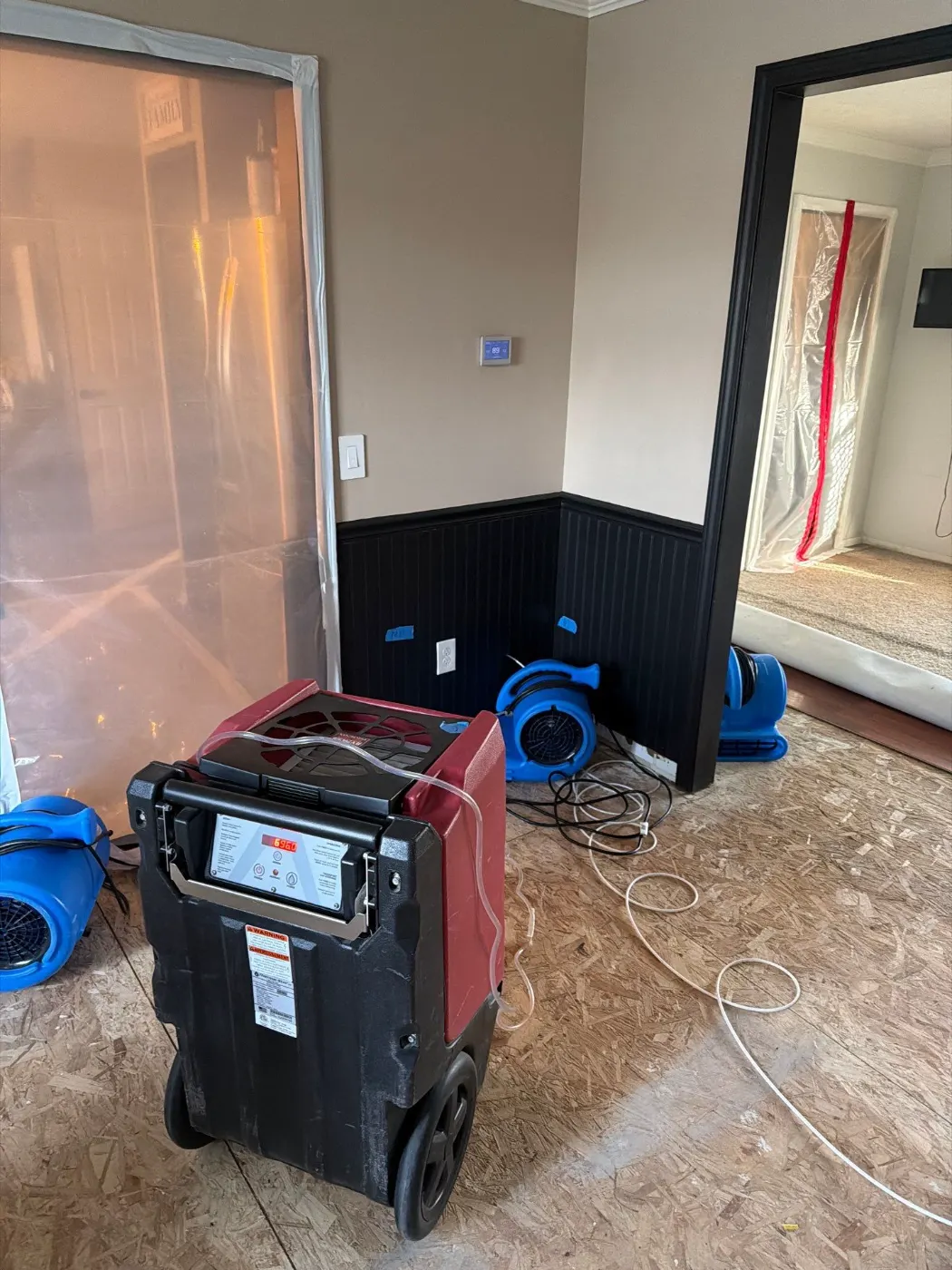
Photographs from real commercial water restoration jobs completed by our crew in Tanglewood and surrounding areas.
Commercial Water Restoration FAQ
Questions Tanglewood property managers ask us about commercial water restoration.
Guidance and Standards for Commercial Water Restoration
- The ANSI/IICRC S500 is the published standard for professional water damage restoration. The current edition is the Fifth Edition, 2021. IICRC S500 Standard
- EPA advises drying water damaged areas and items within 24 to 48 hours to prevent mold growth. EPA: A Brief Guide to Mold, Moisture and Your Home
Tanglewood Neighborhoods We Serve
We take commercial water restoration calls in every part of Tanglewood. Pick your neighborhood for local details.
Other Restoration Services in Tanglewood
Tanglewood Water Restoration handles the full scope of restoration work. Explore our other services below.
Water Damage Restoration in Tanglewood
24/7 emergency response. IICRC certified water restoration from extraction to full dry out.
Learn more →Basement Flooding in Tanglewood
Basement water emergencies handled fast. Extraction, drying, mold prevention.
Learn more →Sewage Cleanup in Tanglewood
Category 3 biohazard cleanup. Full containment, decontamination, structural restoration.
Learn more →Request Commercial Water Restoration
Reach Us Directly
Our team is available 24/7 for emergencies and ready to schedule inspections during business hours.
Need Immediate Help?
For active water or mold emergencies, call us directly. We are available 24/7.