Sewage Cleanup in Tanglewood, IN
Sewage cleanup in Tanglewood from the waste extraction through the finished drywall and paint, with photos at every step
Tanglewood Water Restoration is the Tanglewood call for Sewage Cleanup: emergency crews around the clock, moisture readings instead of guesswork, and insurance files built properly. Call (463) 223-3831.
- Service: Sewage Cleanup for Tanglewood homeowners
- Service area: Tanglewood, IN and surrounding areas
- Response time: Fast local response for Tanglewood; live dispatch every hour of the year
- Licensed and insured (License #RC21100059)
- Serving Tanglewood, IN since 2018
Sewage Backup Cleanup in Tanglewood
We handle sewage backup cleanup across Tanglewood at any hour, and we'll bring the containment and protective gear sewage calls for.
Sewer Lines Here
Many older homes here still have clay or cast iron sewer laterals. That's the pipe that carries waste out to the street sewer, and tree roots can work into its joints.
When Backups Happen
Heavy rain can overload the sewer lines here and push sewage back into basements.
We work in every corner of Tanglewood, including Glendale and the blocks around the Nickel Plate Trail and Fall Creek Parkway. We also clean up sewage backups in Nora and Castleton.
Expert Sewage Cleanup for Tanglewood Homeowners
Cleaning up sewage takes equipment a homeowner can't rent. The truck carries solids handling pumps, HEPA air scrubbers, negative air machines vented outside and EPA registered antimicrobials that stay on for the full time the label calls for. Tanglewood Water Restoration dispatches a crew to Tanglewood within 2 hours with all of it. The crew also brings moisture meters that show how far past the waterline the removal has to go.
Deciding what can be cleaned and what has to go takes most of the judgment on a sewage backup. Tanglewood Water Restoration removes the porous materials the sewage soaked into, like carpet pad, drywall and insulation, and cleans and treats the hard surfaces that stay. The crew photographs every cut line and every bag that leaves your Tanglewood home, so you can see why each item went.
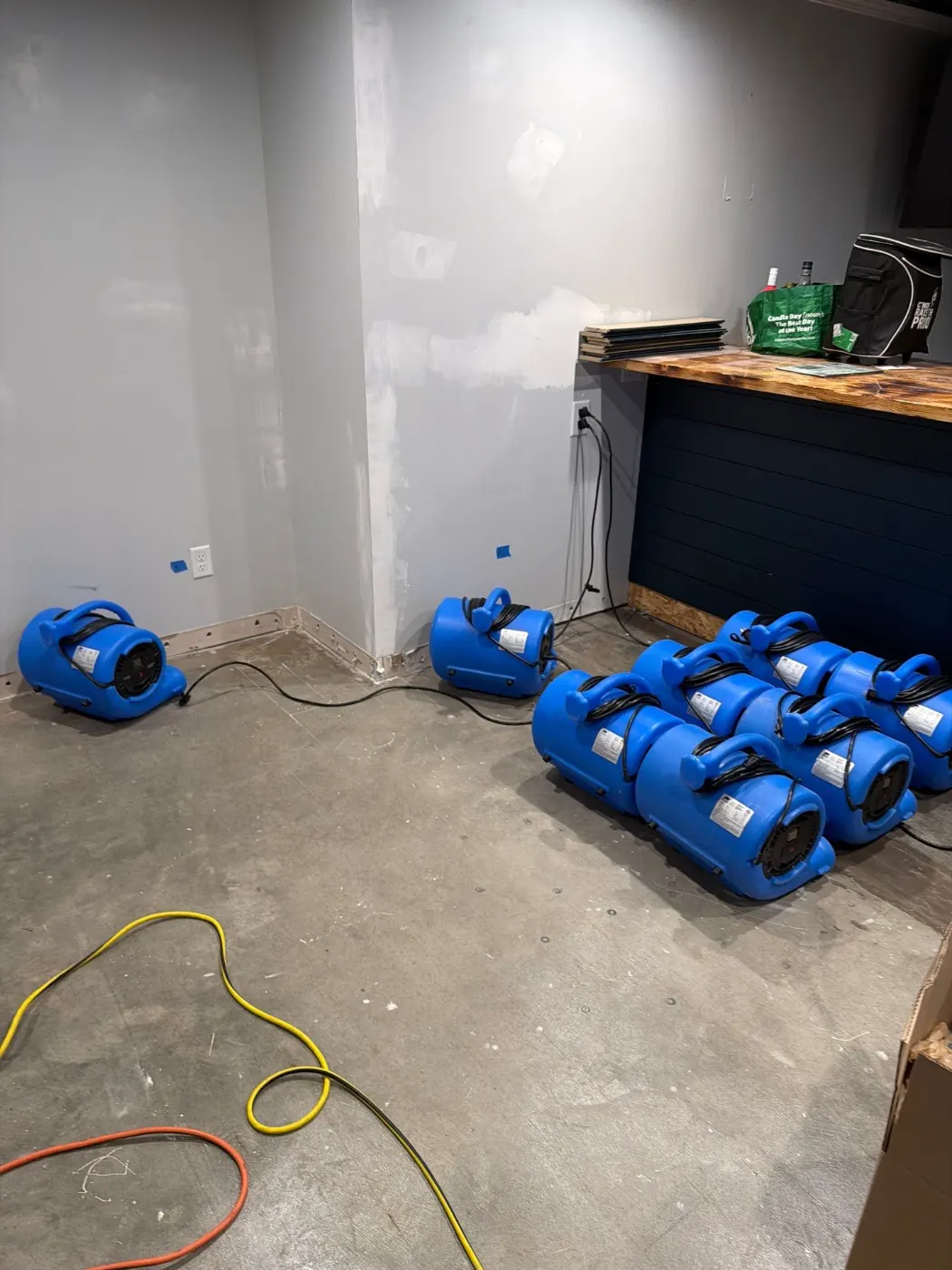
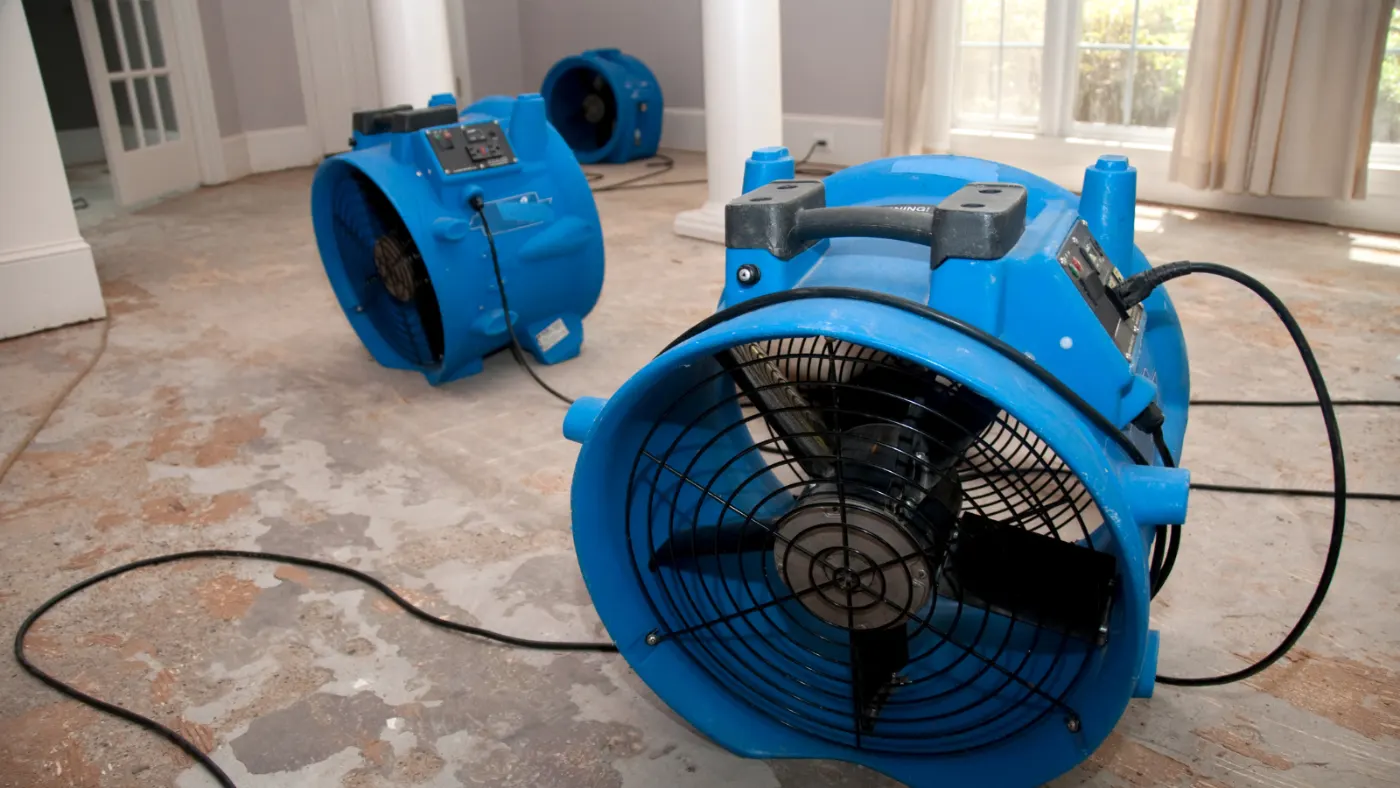
Drying a wall after sewage cleanup starts with open cavities. With the lower drywall and insulation gone, the studs and the bottom plate are exposed, and air movers aimed along the wall carry moisture off them while dehumidifiers pull it out of the room. The crew reads those framing members in your Tanglewood home each visit and moves the air movers as they dry.
Some problems only show up once the crew opens a wall, like contamination that traveled farther under a floor than it first looked. Tanglewood Water Restoration photographs the discovery, takes readings and walks you through the added work before doing it. You approve the change in writing, and it goes into the same photo report as the rest of your Tanglewood job.
Call Tanglewood Water Restoration and ask for the sewage crew. The dispatch window is 2 hours to Tanglewood addresses, the crew works in full protective gear, and the truck carries the containment, filtration, extraction and disinfection equipment this kind of loss needs.
Signs You Need Sewage Cleanup
If you notice any of these in your Tanglewood home, schedule a free inspection before the issue worsens.
Kitchen sink filling with dark water when the dishwasher drains
A second backup within weeks of a plumber clearing roots from the line
Dark water coming up the basement floor drain during a heavy storm
Sewage smell strongest along one wall where the drain line runs behind the drywall
Sewage seeping around the access cap of a backwater valve after heavy rain
Carpet in the finished basement wet underfoot with a sour smell coming off it
Soft discolored flooring around the base of a toilet that rocks when you sit down
An extension cord or power strip sitting in standing water near the basement drain
Septic tank alarm sounding while the toilets gurgle and the tub fills from below
Water pushing up through the shower pan when an upstairs toilet gets flushed
How Tanglewood Water Restoration Handles Sewage Cleanup
We follow these steps in order on every Tanglewood job.
Source Isolation
Work opens with stopping the inflow. The crew locates the backup point, confirms whether the blockage sits on the house side or the public side of the line, and coordinates with the drain contractor clearing it while containment and extraction get staged.
Scope Review
Once the readings are in, the crew walks you through the written scope. It lists each material proposed for removal and the reason for it, plus the cut lines the meters support, and nothing comes off the wall until you've seen it.
Containment and Negative Air
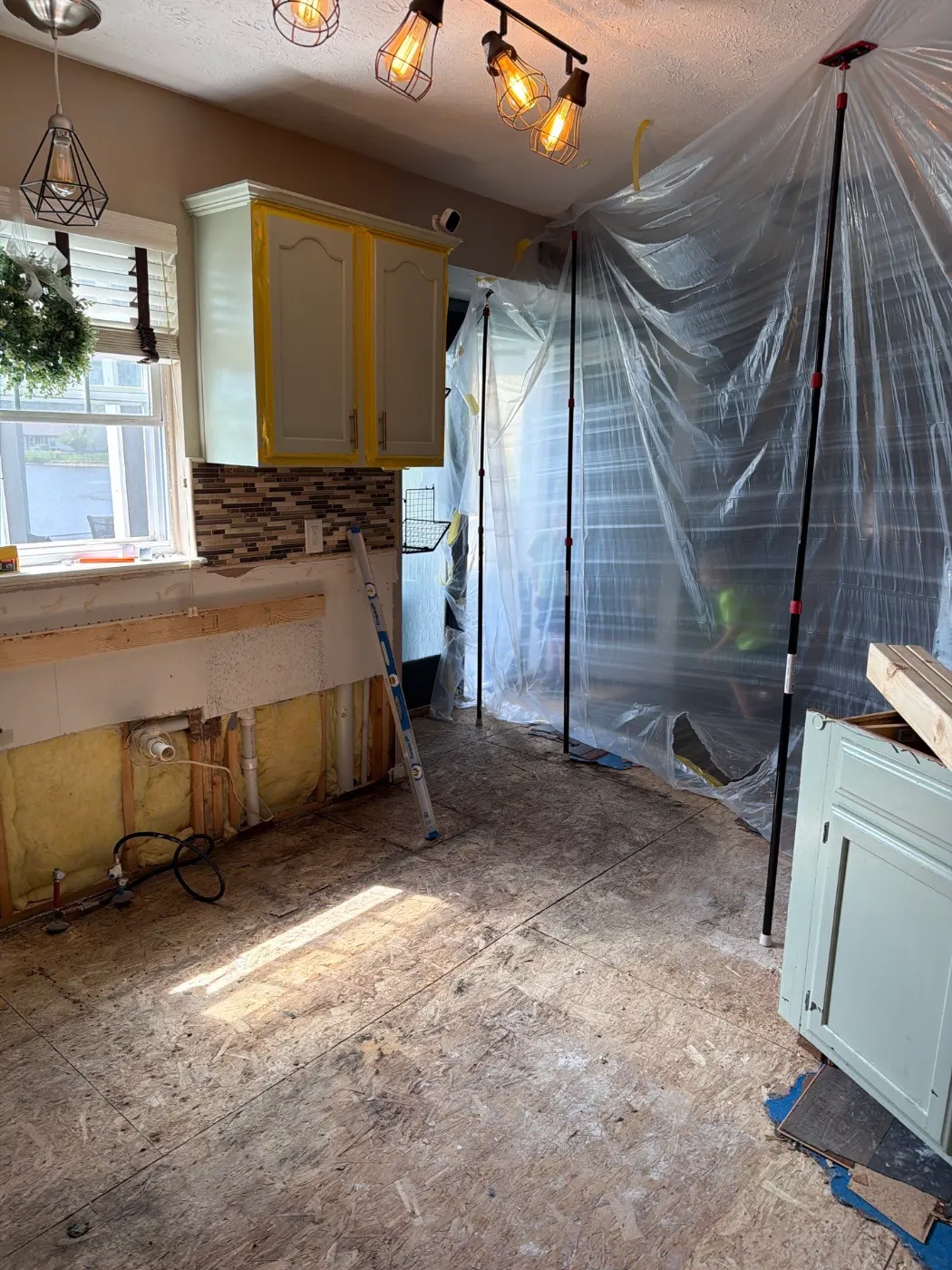
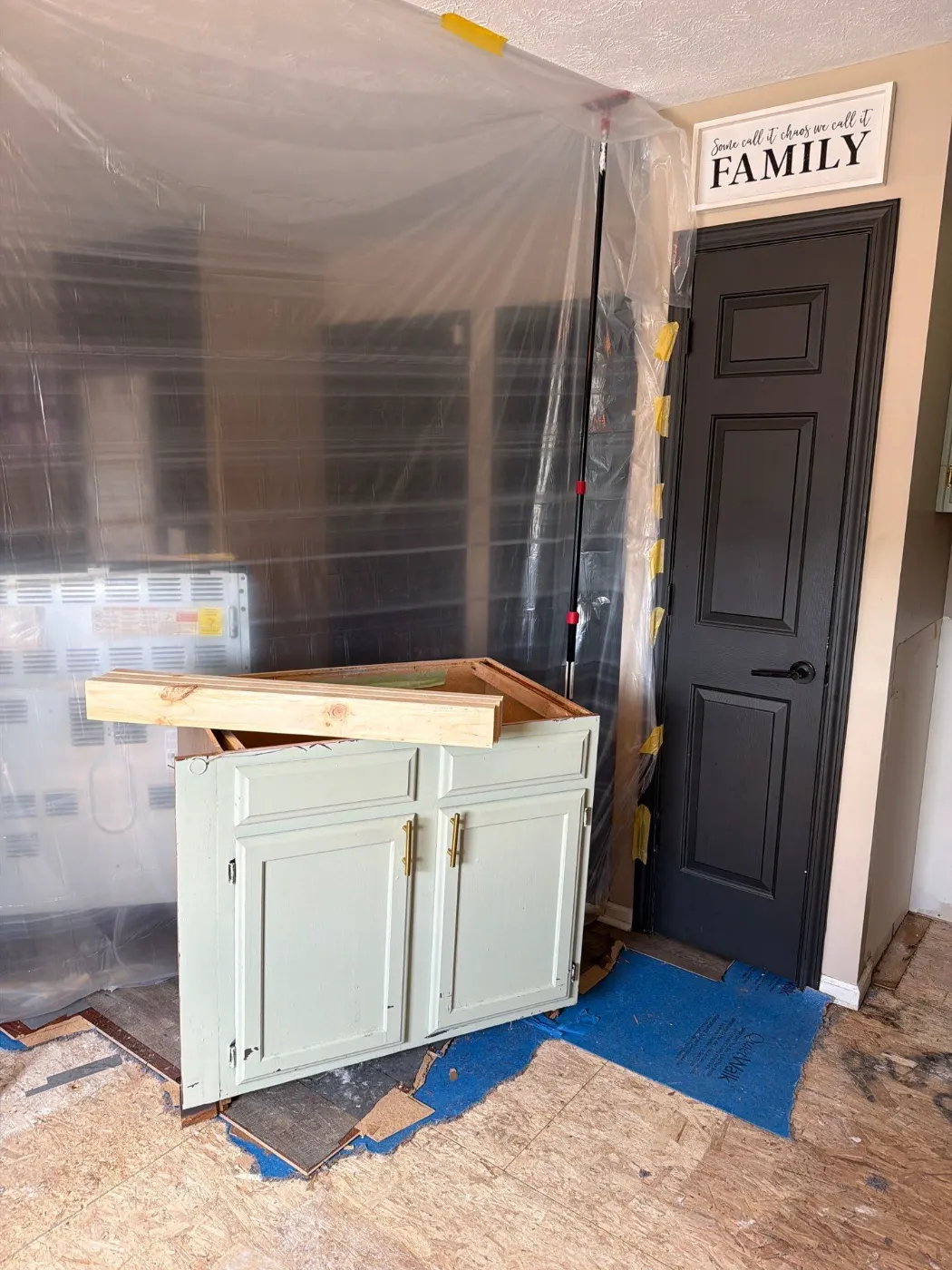
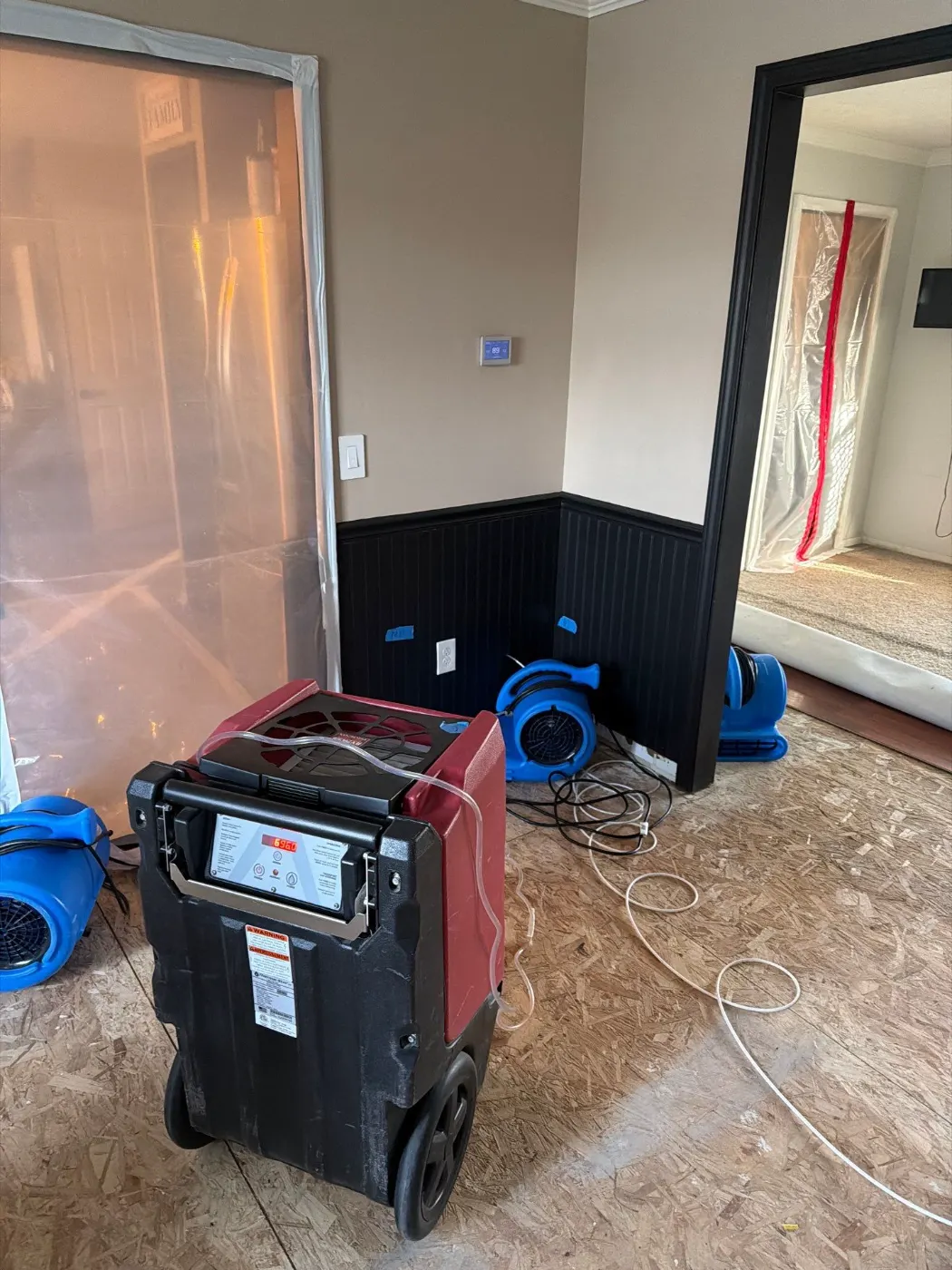
Poly sheeting and a zippered entry seal the work zone off from the rest of the house. A negative air machine ducted outside holds that room at lower pressure, and HEPA air scrubbers filter the air inside it while crews are working.
Hard Surface Decontamination
Exposed framing, subfloor, slab and joists get scrubbed and rinsed, and the rinse water gets extracted. An EPA registered antimicrobial goes on once the surfaces are clean and stays wet for the dwell time printed on the product label.
Daily Moisture Checks
A technician returns each day while equipment runs, taking readings at the same marked points and moving the air movers as the wet area shrinks. The numbers go in a log that shows the trend toward the dry reference.
Sewage Cleanup in Tanglewood
Photographs from real sewage cleanup jobs completed by our crew in Tanglewood and surrounding areas.
Sewage Cleanup FAQ
Questions Tanglewood homeowners ask us about sewage cleanup.
Guidance and Standards for Sewage Cleanup
- The ANSI/IICRC S500 is the published standard for professional water damage restoration. The current edition is the Fifth Edition, 2021. IICRC S500 Standard
- The Indiana Department of Insurance advises against permanent repairs before your insurance company inspects the damage. Check your own policy for what it covers. Indiana Department of Insurance: Insurance Claim Tips
Tanglewood Neighborhoods We Serve
We take sewage cleanup calls in every part of Tanglewood. Pick your neighborhood for local details.
Other Restoration Services in Tanglewood
Tanglewood Water Restoration handles the full scope of restoration work. Explore our other services below.
Water Damage Restoration in Tanglewood
24/7 emergency response. IICRC certified water restoration from extraction to full dry out.
Learn more →Basement Flooding in Tanglewood
Basement water emergencies handled fast. Extraction, drying, mold prevention.
Learn more →Storm Damage in Tanglewood
Storm related water emergencies. Tarping, extraction, drying, and full restoration.
Learn more →Request Sewage Cleanup
Reach Us Directly
Our team is available 24/7 for emergencies and ready to schedule inspections during business hours.
Need Immediate Help?
For active water or mold emergencies, call us directly. We are available 24/7.